


By Dr. S.P. Pradhan on 4th October,2025
Pneumonia is an infectious disease caused by an infectious agent like bacteria, viruses, fungus.
Pneumonia is an infection that causes inflammation of the epithelium in one or both lungs; which may fill with fluid or pus.

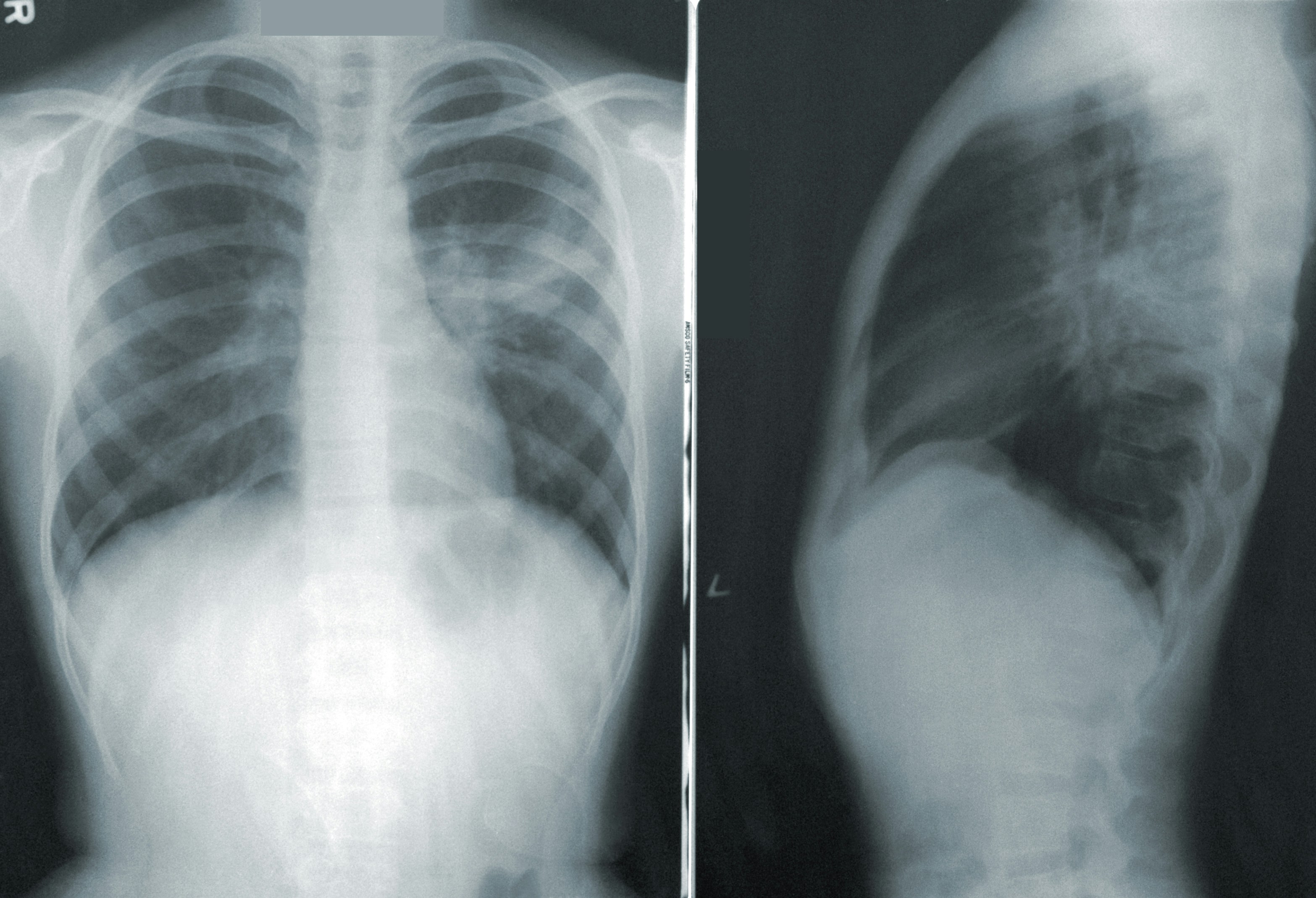
Image- Unsplash
Common Symptoms of Pneumonia:
-
Fever – Fever in pneumonia is high grade, sometimes persistent for days.
- Cough– It is usually productive in nature with sputum production. Sometimes viral pneumonia produces very scanty sputum.
-
Shortness of breath or Dyspnea– Especially during activity or exertion. It is due to inflammatory exudates or secretion interfering the normal recoil of air sacs.
-
Chest pain – Sharp pain worse when coughing or breathing. Due to loss of normal elasticity of some air sacs due to exudates of inflammation or fibrous tissue; there may be sharp pain during expiration.
-
Fatigue or weakness
-
Loss of appetite
-
Muscle pain or malaise
-
Bluish lips or fingernails or cyanosis- It is due to lack of oxygen or hypoxia.
The symptoms may vary in infants or young children up to 2 months.
In Infants or Young Children:
-
Rapid breathing or tachypnea
-
Grunting or wheezing– it is an special sound heard during expiration.
-
Feeding difficulties
-
Lethargy or irritability
-
Cyanosis or bluish discoloration of skin
When to attend doctor in Pneumonia
If someone else has symptoms like
- Fast breathing,
- high fever, confusion, or
- chest pain,
- Confusion
- Cyanosis or bluish discoloration of skin
- Grunting or stridor in case of infants or young children
Types of Pneumonia according to etiological agent
1. Bacterial Pneumonia
Typical pathogens
-
-
Streptococcus Pneumoniae(most common)
-
Haemophilus influenzae
-
Staphylococcus aureus
-
-
Atypical pathogens
-
Mycoplasma pneumoniae
-
Chlamydophila pneumoniae
-
Legionella pneumophila
-
2. Viral Pneumonia
Caused by viruses like
-
-
Influenza virus
-
Respiratory syncytial virus (RSV)
-
SARS-CoV-2 (COVID-19)
-
Adenovirus
-
3. Fungal Pneumonia
-
Seen mostly in immunocompromised patients.
-
Common fungi
-
Pneumocystis jirovecii (esp. in HIV/AIDS)
-
Histoplasma
-
Coccidioides
-
Cryptococcus
-
By Setting of Acquisition
1. Community-Acquired Pneumonia (CAP)
-
Acquired in community
-
Usually caused by Streptococcus pneumoniae, Mycoplasma, or viruses.
2. Hospital-Acquired Pneumonia (HAP)
-
Occurs ≥48 hours after hospital admission
-
Often caused by more resistant organisms
-
Pseudomonas aeruginosa
-
MRSA (Methicillin-resistant Staphylococcus aureus)
-
3. Ventilator-Associated Pneumonia (VAP)
-
It is associated with prolonged ventilation
-
Occurs ≥48–72 hours after endotracheal intubation.
By Clinical or Radiographic Features
1. Lobar Pneumonia
-
Infection of a lobe or part of a lobe of lungs.
-
Often caused by Streptococcus pneumoniae or staphylococcus
2. Bronchopneumonia
-
Patchy consolidation around bronchi and bronchioles.
-
More diffuse; may involve both lungs.
3. Interstitial Pneumonia
-
Involves the lung interstitial area
-
Often caused by viruses or atypical bacteria.


