

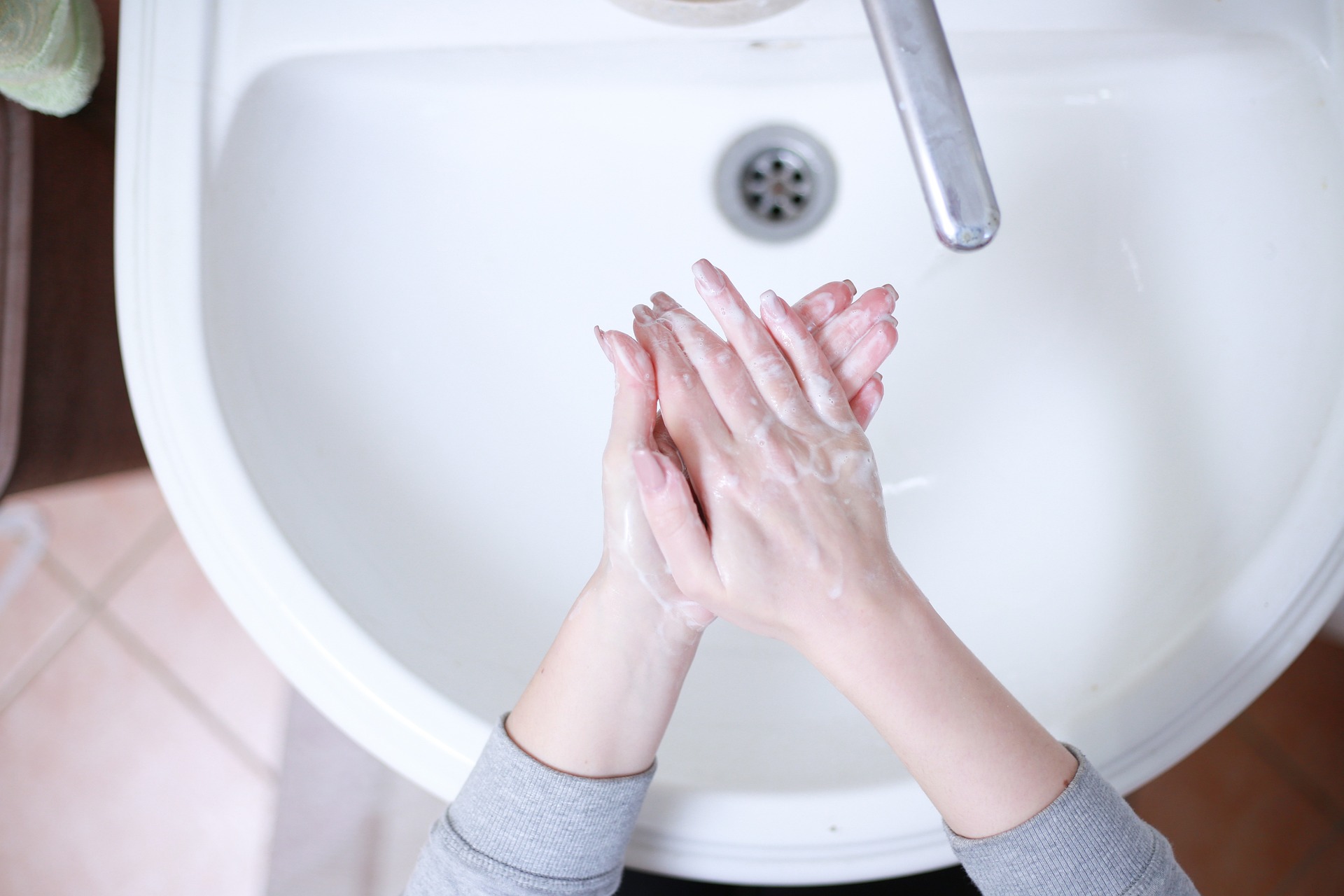

Hand washing is one of the most important step in preventing infection. It is the most vital step to prevent hospital or health care associated infection. Hospital acquired infections are the new infections acquired during the course of treatment or immediately after discharge not present during the time of admission. They are also called as nosocomial infections. Health care associated infection drawing increased focus from patients, health personnel, regulatory bodies, government. The importance not only lies in morbidity, mortality but also increased perception that it is largely preventable.
Our hand harbours two types of flora of micro-organisms. Resident flora are present below the stratum corneum. They aren’t amenable to hand washing. But the transient flora are transferred from patients to health care workers causing health care associated infections(HCAI). Skin epithelium containing such micro-organism are shed contaminating the linen, bed and other inanimate objects thereby transferred to healthy individuals upon touching.
Hand washing should be done before–
1. Eating
2. Touching any patient
3. Doing any medical procedure
4. Giving any injectable medication or using the medical equipment
Hand washing should be done after–
1. Going for bathroom or toilet
2. Doing a medical procedure
3. Any spillage of blood of body fluids of patient
4. Examination of the patient
Hand washing prevents infections like staphylococcus, streptococcus, shigella, E.coli. Mostly the hospital acquired infections are cross infected from person to person. Eventually resistant organisms emerge during the course of treatment can be propagated to susceptible hosts if the chain isn’t broken. This may lead to increased drug resistance in health set up. Even the fatal MRSA (methicillin resistant Staphylococcus aureus) is cross infected in health care personnel. It can be safely prevented by simple handwashing after any medical examination or procedure. Pittet D et al study showed a sustained improvement in compliance in hand washing can reduce the chances of MRSA infection health care centres.
Simple handwashing can prevent surgical site infections.

Photo credit– surewash.com
Step-1- Front of the palms
Step-2- Back of the palms
Step-3- Interlacing with fingers
Step-4- Interlocking with fingers
Step-5- Rubbing thumb of opposite hand
Step-6- Rubbing tip of fingers at centre of the palm of opposite hand
Hand wishing mehods–
1.Wash the hand with soap and water- This is the simplest way of washing the hands.
2. Hand washing with antiseptics
3. Alcohol based solutions
Review of research articles
• Sheree M S Smith study shows there should be an urgent hand washing technique for use in primary care practice.
• Conly JM study showed handwashing practices have a low nosocomial infections.


